4 Ways to Master Commercial Fire System Code Compliance in Tigard, OR

Maintaining a safe workplace is not merely a legal obligation but a fundamental responsibility that protects employees, assets, and the community at large. Many business owners face significant anxiety when confronting the complex web of fire safety regulations, fearing costly fines or operational shutdowns due to non-compliance. The reality is that navigating these codes does not have to be an overwhelming burden if you understand the specific requirements that apply to your facility.
By proactively addressing code updates and understanding the distinct layers of regulation, you can transform potential liabilities into a robust safety culture. This guide will walk you through the critical distinctions between local, state, and national standards while providing a practical checklist to prepare for any commercial fire system inspection. Understanding these nuances is vital for anyone managing commercial fire systems, as it ensures that your property remains protected against evolving risks without unnecessary administrative hurdles.
These are 4 ways to master commercial fire system code compliance:
1. Understanding the Layers of Fire Safety Regulation
One of the most common sources of confusion for property managers involves the hierarchy of fire codes. It is essential to recognize that compliance is not a one-size-fits-all scenario but rather a layered approach involving different authorities. At the foundation, local municipalities like Tigard enforce specific ordinances designed to address unique community needs and infrastructure constraints.
These local rules often build upon the baseline established by the state of Oregon, which sets minimum standards for all jurisdictions within its borders. However, the most comprehensive framework usually comes from the National Fire Protection Association (NFPA), whose guidelines are widely adopted as the industry standard for best practices. When discussing commercial fire systems, it is crucial to realize that your facility must adhere to the strictest of these three levels simultaneously.
Ignoring any single layer can result in gaps in coverage that inspectors will quickly identify during routine visits, potentially leading to immediate citations. Therefore, a successful strategy requires a deep dive into how these overlapping regulations interact to create a unified safety mandate for your specific building type.
2. Triggers That Mandate Code Updates
Business environments are dynamic, and static safety plans often fail to keep pace with changing physical realities. Several specific events act as triggers that necessitate a review and potential update of your fire protection protocols. For instance, any significant renovation project that alters the layout of a building, such as adding new walls or expanding square footage, automatically changes the occupancy load and may require upgraded sprinkler coverage or alarm zones.
Similarly, a change in the type of business conducted within the space can introduce new hazards; a warehouse storing flammable materials has different requirements than a retail office space. Furthermore, the age of the building itself plays a pivotal role, as older structures may lack modern detection technology or sufficient egress routes required by current codes. If you are planning any structural modifications or operational shifts, consulting with experts regarding commercial fire equipment should be your first step to avoid retroactive penalties.
Proactive engagement before work begins ensures that your commercial fire system project moves forward smoothly without the risk of being halted by code violations discovered after construction is complete.
3. The Inspector's Checklist
When a certified inspector arrives for a scheduled visit, they are looking for specific evidence that your system is functional and accessible. To help you prepare, here are five key areas that typically form the core of a commercial fire inspection checklist:
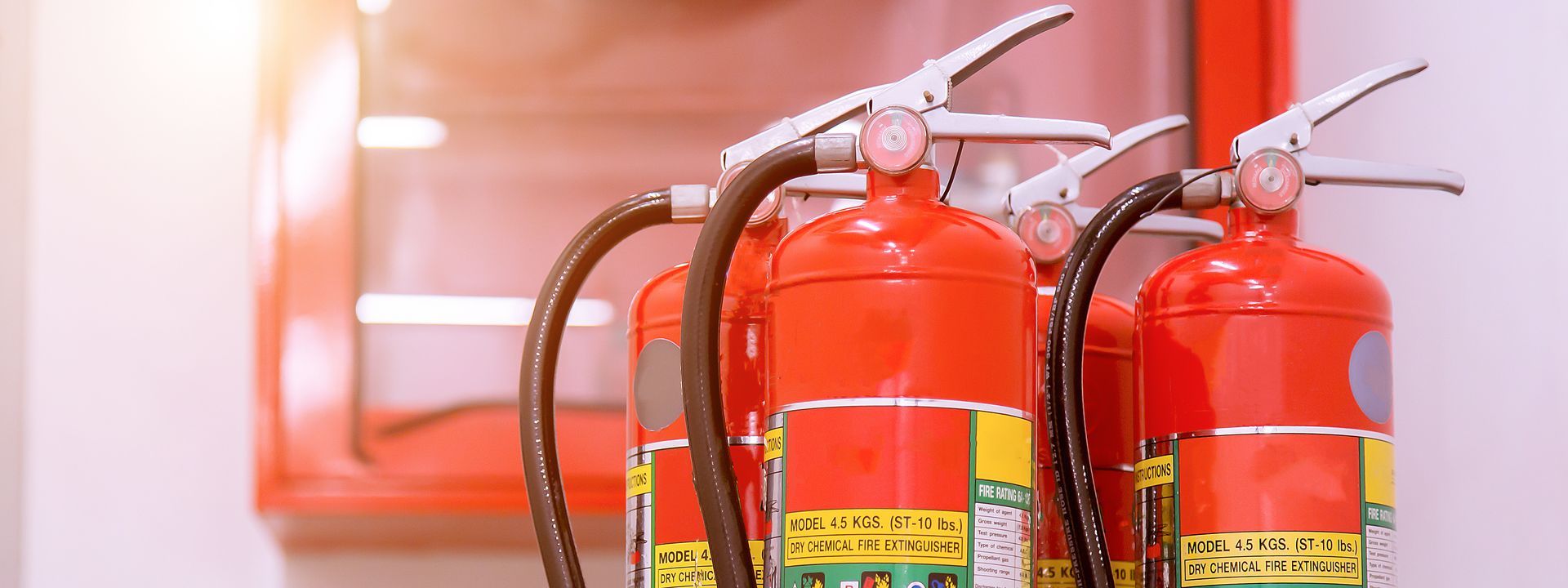
- First, inspectors verify that all fire extinguishers are properly mounted, have valid annual tags, and are easily accessible without obstruction.
- Second, they examine exit signs and emergency lighting to ensure they illuminate clearly and function correctly during a power failure.
- Third, the integrity of fire doors is scrutinized to confirm they close automatically and latch securely without being wedged open.
- Fourth, they check the control panels for any active trouble signals or maintenance flags that indicate a malfunction. Finally, they review documentation logs to ensure that regular testing and maintenance records are up to date and readily available for review.
Keeping these five points in mind ensures that your facility meets the rigorous standards expected for commercial fire systems. A well-prepared team can often resolve minor issues on the spot, turning a stressful audit into a routine verification of your safety efforts.
4. The Cost of Non-Compliance vs. Prevention
Beyond the immediate inconvenience of failed inspections, the financial implications of ignoring fire codes can be devastating for a business. Fines imposed by local authorities can accumulate rapidly, especially if violations are left uncorrected over multiple inspection cycles. More importantly, non-compliant systems may fail during an actual emergency, leading to catastrophic property damage, severe injury, or loss of life.
Insurance companies also play a critical role in this equation, as many policies include clauses that void coverage if the premises were found to be non-compliant at the time of an incident. Investing in regular maintenance and staying current with code changes is significantly cheaper than paying for repairs, legal fees, or increased premiums after a disaster occurs. By prioritizing commercial fire systems in Tigard, OR, you are essentially purchasing peace of mind and ensuring the long-term viability of your operation. This proactive approach demonstrates to stakeholders, including investors and partners, that your organization takes safety seriously and operates with integrity.
Stay Proactive and Protected!
While this educational overview provides a strong foundation for understanding your obligations, the complexity of fire codes often requires professional expertise to navigate effectively. Relying on guesswork or outdated information can lead to dangerous oversights that put your entire operation at risk. If you need assistance interpreting local ordinances, updating your equipment, or preparing for an upcoming audit, do not hesitate to reach out to the specialists who know the landscape inside and out.
Call Service Center today at
503-231-0535
to schedule a comprehensive consultation and ensure your business remains safe and fully compliant. Your commitment to safety is the cornerstone of a successful business, and having the right support makes all the difference in maintaining that standard.