5 Key Reasons to Understand Fire Hydrants
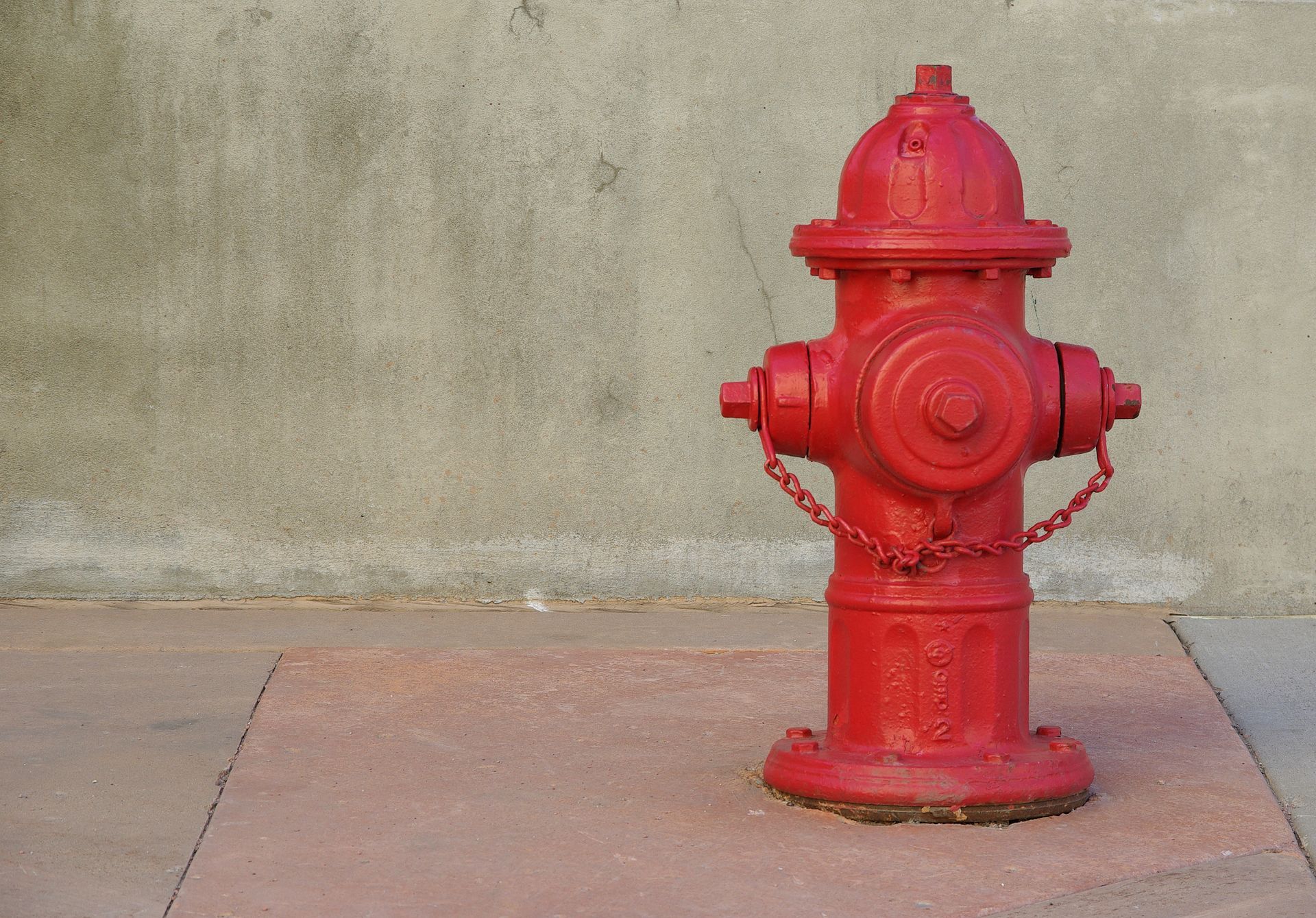
Fire hydrants are critical infrastructure components that provide immediate access to water supplies for firefighting operations. These valves connect directly to municipal water mains, allowing firefighters to hook up hoses and suppress fires quickly. Without them, emergency crews would face significant delays in accessing the water volumes necessary to control blazes. Understanding their function helps communities appreciate the complex systems working silently on street corners to ensure public safety. This guide explores the mechanics, designs, and vital importance of these devices in modern emergency response.
These are 5 reasons to understand fire hydrants:
1. Defining the Purpose of Fire Hydrants
The primary definition of a fire hydrant is an active fire protection measure that serves as a connection point by which firefighters can tap into a water supply. Their purpose extends beyond simple water access, as they are engineered to withstand high pressure and deliver massive flow rates required to extinguish large structural or wildland fires. In urban planning, the placement of these devices is calculated based on building density and potential fire loads.
For residents and business owners seeking reliable fire hydrants, knowing that these units are regularly inspected ensures that the local water distribution network remains ready for any emergency scenario. The reliability of this system often determines the difference between a contained incident and a catastrophic loss. Furthermore, these devices serve as testing points for water department personnel to monitor pressure levels throughout the city grid.
2. Wet Barrel vs. Dry Barrel Designs
One of the most significant distinctions in hydrant technology lies between wet barrel and dry barrel designs, a choice dictated largely by climate conditions. Wet barrel hydrants keep water in the barrel at all times, meaning every outlet has its own valve. This design is common in warmer climates where freezing temperatures are rare. Conversely, dry barrel hydrants are essential for regions that experience freezing winters. In a dry barrel system, the main valve is located below the frost line, keeping the upper portion of the hydrant empty to prevent ice formation that could crack the casing or block water flow.
Since the Pacific Northwest experiences cool winters, understanding which type serves your neighborhood is vital for maintenance planning. Proper identification ensures that maintenance crews apply the correct winterization procedures, preventing costly damage and ensuring operational readiness when seconds count. Selecting the right design for the local climate is a fundamental aspect of municipal safety engineering.
3. Common Materials and Structural Design
Durability is paramount for equipment that sits exposed to the elements year-round. Consequently, fire hydrants are typically constructed from heavy-duty materials such as cast iron or ductile iron, which offer exceptional strength and resistance to corrosion. The interior components often utilize bronze or brass for the valves and stems because these metals resist rust and provide a smooth operation over decades of use. The exterior is coated with tough, weather-resistant paint, usually in bright colors like yellow or red to ensure high visibility.
Some modern designs incorporate reflective collars or specific color-coding on the bonnet to indicate the flow capacity of the hydrant, a standard known as NFPA 291. This coding allows incident commanders to instantly assess how much water is available before connecting their apparatus, streamlining the decision-making process during an emergency. Additionally, the breakaway features built into many models protect the underground piping if a vehicle strikes the unit.
4. The Critical Role in Emergency Response
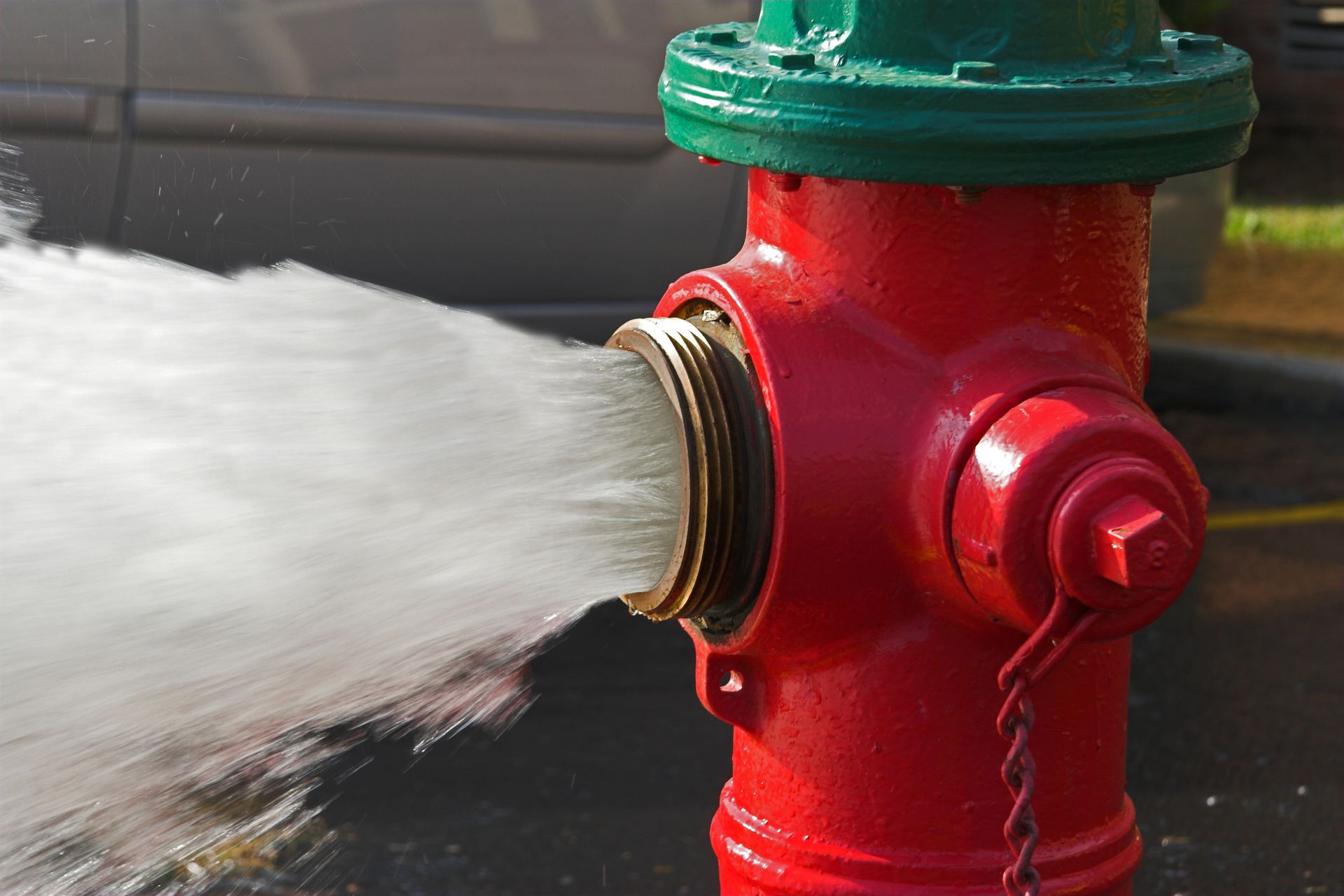
The role of fire hydrants in firefighting and emergency response cannot be overstated, as they act as the lifeline for suppression efforts. When a fire engine arrives on the scene, the driver or a dedicated firefighter will connect a large-diameter hose from the truck's pump to the hydrant. This connection boosts the water pressure and volume far beyond what the truck's onboard tank could provide alone. Efficient operation requires that the area around the hydrant remains clear of obstructions like parked cars, overgrown vegetation, or snow piles. Communities play a vital part in this process by reporting damaged units or blocked access points immediately.
Regular maintenance checks involve flushing the system to remove sediment and verifying that the valves open and close smoothly. These proactive measures ensure that when an alarm sounds, the infrastructure supports the brave men and women risking their lives to protect property and citizens. Access to a consistent water source is the single most important factor in successful fire suppression.
5. Ensuring System Reliability Through Maintenance
Consistent maintenance is the backbone of a functional fire protection system. Over time, sediment can build up inside the pipes, or mechanical parts can wear down due to lack of use or environmental stress. Professional inspection services verify that the static and residual pressure meets local fire code requirements. Technicians check for leaks, lubricate moving parts, and ensure that the caps are not seized.
Neglecting these inspections can lead to failure during a crisis, resulting in insufficient water pressure when it is needed most. Property managers and municipal officials must prioritize these schedules to maintain compliance and safety standards. By adhering to rigorous testing protocols, communities ensure that their investment in public safety remains effective for generations. Routine care prevents minor issues from becoming major failures during critical moments.
Contact Us for Expert Support
Understanding the mechanics and importance of these devices highlights the need for professional oversight. Whether you need information on local codes or require inspection services, reliable expertise is just a phone call away. Proper maintenance of your local fire hydrant system in Tigard, OR, ensures community safety and regulatory compliance. If you have questions about fire safety equipment or need professional servicing, do not hesitate to reach out.
Call Fire Extinguisher Service Center at
503-231-0535 today to schedule an inspection or learn more about maintaining fire safety systems in your area. Our team is dedicated to keeping your protection systems ready for any emergency.